STREET is an unscripted 61-minute high definition video filmed by artist James Nares over one week in September 2011. The final video is a mesmerizing experiment in the nuance and beauty of everyday people and people-watching; providing a global view that extends beyond the streets of New York where it was filmed: from Battery Park to the furthest reaches of Upper Broadway, and West Side to East Side in Nares’ personal homage to actualité films.
In Nares’ words, “I wanted the film to be about people. All it needed were magical moments, and there are enough of those happening every moment of any given day.”
The soundtrack for the film was composed and performed by Sonic Youth’s Thurston Moore.
Once a guy stood all day shaking bugs from his hair. The doctor told him there were no bugs in his hair. After he had taken a shower for eight hours, standing under hot water hour after hour suffering the pain of the bugs, he got out and dried himself, and he still had bugs in his hair; in fact, he had bugs all over him. A month later he had bugs in his lungs.
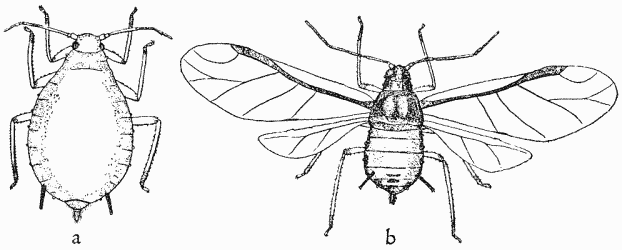
Having nothing else to do or think about, he began to work out theoretically the life cycle of the bugs, and, with the aid of the Britannica, try to determine specifically which bugs they were. They now filled his house. He read about many different kinds and finally noticed bugs outdoors, so he concluded they were aphids. After that decision came to his mind it never changed, no matter what other people told him … like “Aphids don’t bite people.”
They said that to him because the endless biting of the bugs kept him in torment. At the 7-11 grocery store, part of a chain spread out over most of California, he bought spray cans of Raid and Black Flag and Yard Guard. First he sprayed the house, then himself. The Yard Guard seemed to work the best.
As to the theoretical side, he perceived three stages in the cycle of the bugs. First, they were carried to him to contaminate him by what he called Carrier-people, which were people who didn’t understand their role in distributing the bugs. During that stage the bugs had no jaws or mandibles (he learned that word during his weeks of scholarly research, an unusually bookish occupation for a guy who worked at the Handy Brake and Tire place relining people’s brake drums). The Carrier-people therefore felt nothing. He used to sit in the far corner of his living room watching different Carrier-people enter—most of them people he’d known for a while, but some new to him—covered with the aphids in this particular nonbiting stage. He’d sort of smile to himself, because he knew that the person was being used by the bugs and wasn’t hip to it.